



Do It Yourself - Free HIV Self Testing Kit

After months of hard work and dedication, we are delighted to officially announce GetaKit by Black CAP is here and is now accessible.
Learn More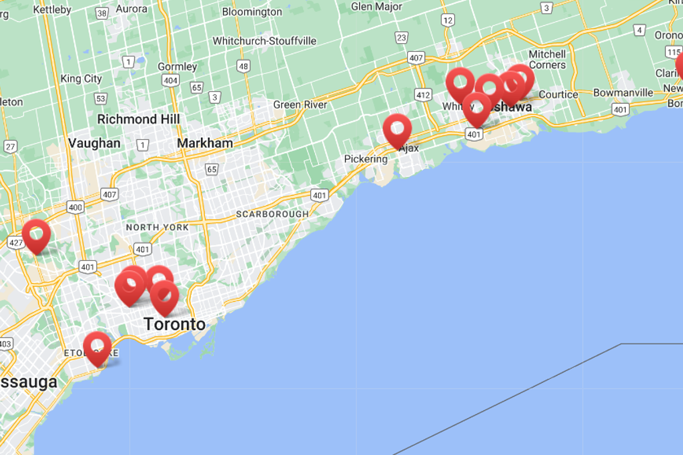
Connected to Care by Black CAP
The Connected to Care portal provides African, Caribbean, and Black folks with more access to the culturally relevant resources and supports available in their communities within the Greater Toronto Area.
Learn More

About Black CAP
Since 1989, the Black Coalition for AIDS Prevention (Black CAP) has worked to respond to the threat of HIV and AIDS in Toronto’s African, Caribbean and Black communities.
Our work is guided by our motto, ‘Because All Black People’s Lives Are Important’, which serves as a reminder of our commitment to the human rights and dignity of all Black people who are vulnerable to HIV and sexually transmitted infections (STIs).
The reality is that more Black, African and Caribbean people are living with HIV and AIDS than ever. At this time about 1 in 5 people living with HIV in Ontario are African, Caribbean or Black, yet we make up 1 in 20 of Ontario’s overall population. Black CAP is an important resource for the thousands of Black people in Toronto living with, or at risk for, HIV, AIDS and STIs.
Learn MoreNews & Events
View All
Standing Together: Honoring Lives, Breaking Stigma – International Overdose Awareness Day 2023
AUGUST 29, 2023
On International Overdose Awareness Day (IOAD), our hearts echo with empathy and determination as we gather to remember, reflect, and recommit to supporting our community. IOAD stands as a poignant reminder of the lives lost to overdose, and a call to action to address this crisis with compassion.
Read More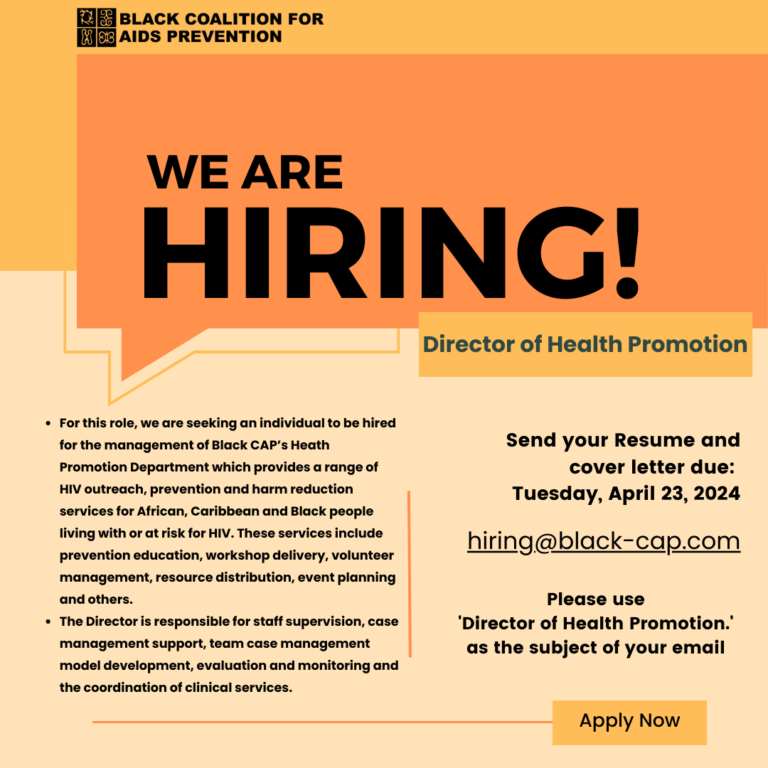
JOB POSTING: Director of Health Promotion
APRIL 9, 2024
Black CAP is seeking an experienced and dedicated Program Coordinator to join our Programs and Services team. The Program Coordinator is responsible for developing HIV strategies, strengthening prevention efforts, and promoting HIV treatment adherence. This role will involve working on two Public Health Agency of Canada (PHAC) funded projects, focusing on addressing Anti-Black Racism (ABR) as a root cause and implementing an integrated national HIV prevention strategy for ACB (African, Caribbean, and Black) people in Canada.
Read More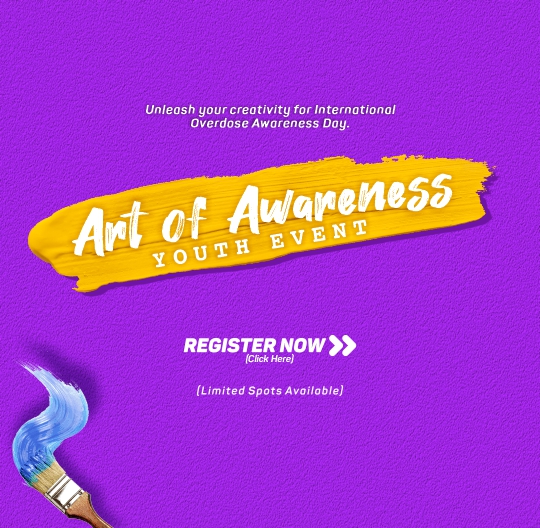
Art of Awareness (Youth Edition): Expressing Stories Through Creativity
AUGUST 29, 2023
We welcome you to the “Art of Awareness” event, a unique and empowering gathering designed to give voice to the experiences and emotions of the African, Caribbean & Black (ACB)...
Read More
Condoms, Inhalation & Injection Kits

Get an HIV Test

Request a Workshop